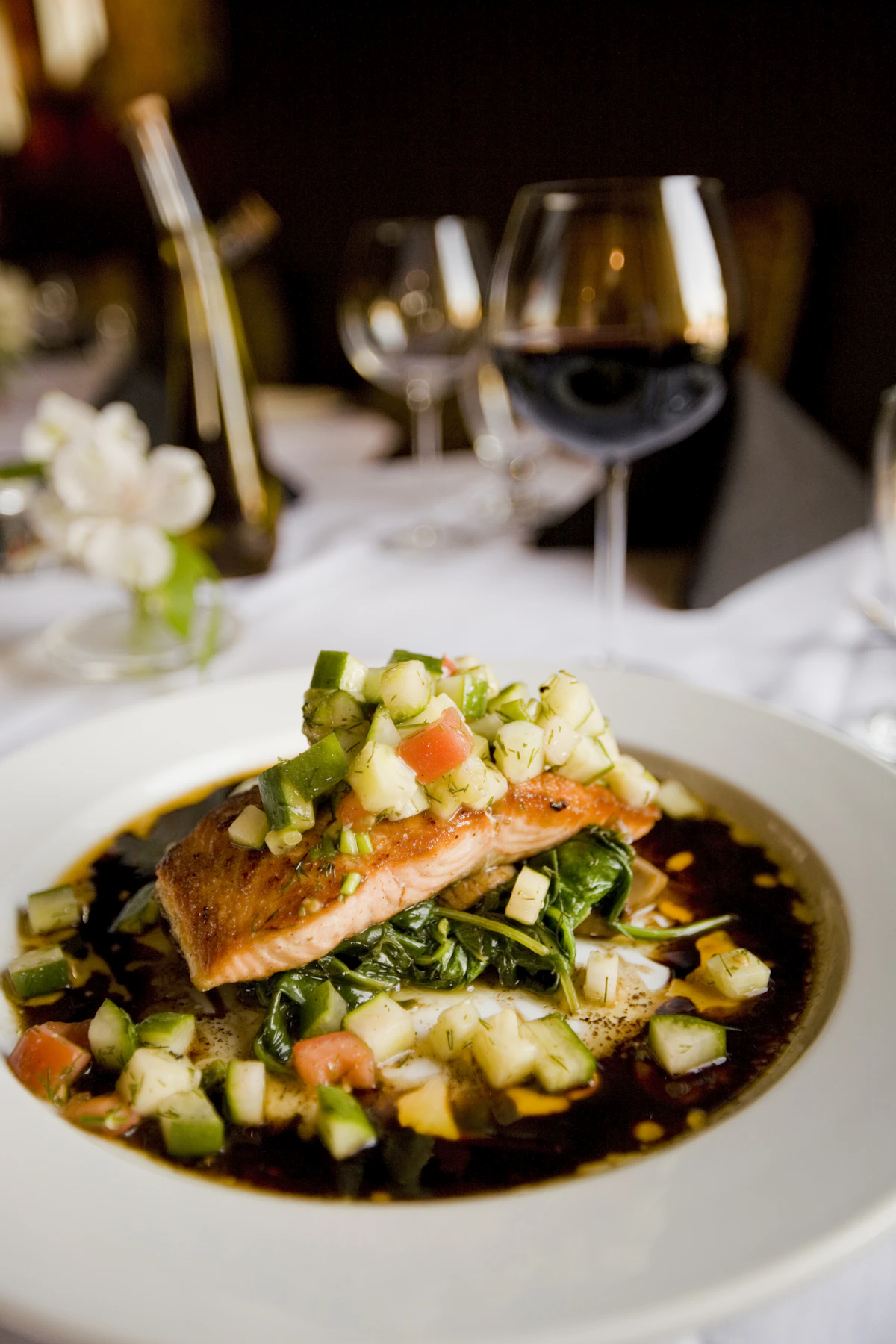
Japanese Cheesecake Recipe
A light, soft and fluffy Japanese cheesecake made with cream cheese, milk, butter, flour, egg yolks and whipped egg whites. The gentle baking method gives it a delicate, melt-in-the-mouth texture.
Ingredients
- Cream Cheese100 g
- Milk76 ml
- Butter35 g
- Flour35 g
- Egg Yolk38 g
- Egg White78 g
- Sugar40 g
Nutrition
Nutrition values are estimates and may vary depending on ingredients and brands.
Instructions
- 1Prepare the cream cheese mixture
Add cream cheese, milk and butter to a bowl. Heat gently over a double boiler and whisk until completely smooth and lump-free.
Tip: Do not boil the mixture. Keep the heat low and mix continuously for a smooth cheesecake batter. - 2Add the flour
Sift the flour into the warm cream cheese mixture and whisk gently until combined.
Tip: Sifting the flour helps prevent lumps and gives the cheesecake a smoother texture. - 3Add the egg yolks
Allow the mixture to cool slightly, then gradually add the egg yolks. Whisk until the batter becomes smooth and well combined.
Tip: The mixture should not be very hot when adding the yolks, otherwise they may cook. - 4Whip the egg whites
Place the egg whites in a clean bowl and start whipping. Gradually add the sugar and continue beating until you get a soft, glossy meringue with soft-to-medium peaks.
Tip: Avoid over-whipping the egg whites. A smooth, flexible meringue gives the cheesecake a softer texture. - 5Fold the meringue
Add the whipped egg whites to the cream cheese batter in 2–3 additions. Fold gently with a spatula until the mixture is evenly combined.
Tip: Fold gently from the bottom to the top to preserve the air in the meringue. - 6Prepare the mould
Line a cake mould with baking paper. Pour the batter into the mould and gently tap it once or twice to remove large air bubbles.
- 7Bake in a water bath
Place the cake mould in a larger baking tray and add hot water around it. Bake at approximately 150°C until the cheesecake is set, lightly golden on top and fluffy.
150°CTip: Baking in a water bath helps maintain moisture and prevents the cheesecake from cracking. - 8Cool and serve
Turn off the oven and leave the cheesecake inside for a few minutes with the door slightly open. Remove it, allow it to cool, then carefully remove it from the mould and slice.
a few minutes
Chef tips
- Use room-temperature cream cheese and eggs for a smoother batter.
- Do not over-whip the egg whites.
- Fold the meringue gently to maintain maximum volume.
- Use a water bath for an even, soft texture.
- Avoid opening the oven frequently during baking.
- Let the cheesecake cool gradually to reduce the chance of collapsing.
Cooking video
No cooking video available yet.
Chef Bobby Raturi
I’m a passionate Bakery Chef with a strong love for the art of baking and pastry. I specialize in creating high-quality breads, cakes, pastries, desserts, and other baked products while maintaining excellent taste, presentation, and consistency. I enjoy experimenting with new flavors and techniques, working in a professional kitchen environment, and continuously improving my skills. For me, baking is more than a profession—it’s a combination of creativity, precision, and passion.
Cook this dish safely
Follow safe food-handling practices — keep raw and ready-to-eat foods separate, cook applicable foods thoroughly, and refrigerate perishable foods promptly.
- This recipe contains raw or undercooked eggs.
Cook chicken, turkey and other poultry to an internal temperature of 165°F / 74°C at the thickest part (a food thermometer is the only reliable way to check). Rinsing raw poultry is not recommended — it splashes bacteria around the sink. Sanitize any cutting boards, knives and hands that touched the raw bird before they touch anything else.
This recipe uses eggs that aren't fully cooked. Use pasteurized eggs whenever possible — they're safe to eat raw. Otherwise, buy the freshest Grade A eggs, keep them at or below 40°F / 4°C, and serve the dish the day you make it. Not recommended for pregnant, elderly, very young or immunocompromised diners.
Don't taste raw dough or batter. Flour is a raw agricultural product and can carry E. coli — heat treatment during baking is what makes it safe. If a recipe calls for edible cookie dough or similar, heat-treat the flour first (spread on a tray and bake at 350°F / 175°C until it reaches 165°F / 74°C).
Keep milk, cream, cheese and yogurt at or below 40°F / 4°C. Once served, never leave perishables at room temperature longer than 2 hours (1 hour above 90°F / 32°C). Any leftover dairy-based sauce or custard is safest eaten within 3-4 days.
Refrigerate any leftovers within 2 hours of cooking, in shallow airtight containers, and eat within 3-4 days. Reheat to steaming hot (165°F / 74°C) before serving. Freeze portions you won't eat in that window.
This list is based on the recipe's ingredients. Cross-contact during preparation or shared kitchens may still introduce allergens — always check individual products.